siege, major, ancient
Siege of Syracuse
Siege of Syracuse was a siege conducted in 214 BC at Syracuse, in what is now Italy; it lasted about 2 years. It was part of Second Punic War, which ran from 218 BC to 201 BC. The recorded result: Roman victory Syracuse, Sicily. Recorded strength: 16,000–18,000 against 21,000–25,000.
See it on the globe Read the article

Where it sits in Second Punic War
Record
| Date | 214 BC (year precision) to 212 BC | |
|---|---|---|
| Place | Syracuse, Italy 37.083N, 15.283E | |
| Kind | Siege, ancient | |
| Strength | 16,000–18,000 | 21,000–25,000 |
| Casualties and losses | Heavy | 5,000+ (plus "large" amount of civilians) |
| Commanders |
|
|

The ground today
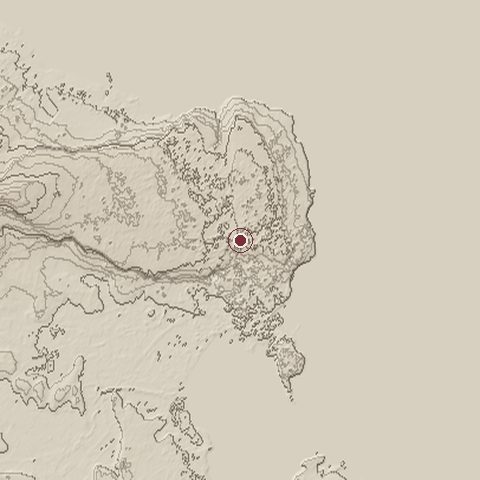
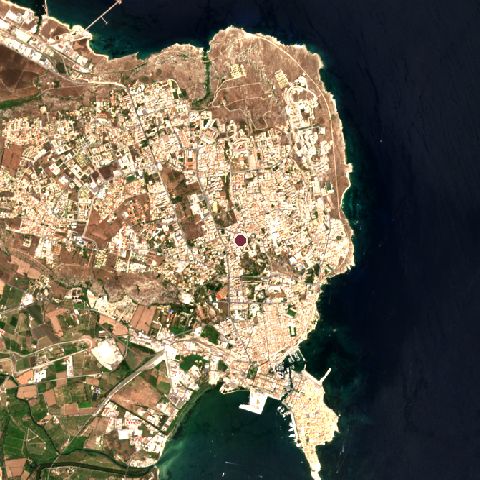
The recorded site stands at about 55 m; within 10.0 km the ground runs from -4 to 141 m, 145 m of relief, gently rolling country and today it is 36% built-up, 31% water, 18% grassland.
Elevation from the Copernicus DEM GLO-30 (ESA, Airbus); land cover from ESA WorldCover 2021 (CC BY 4.0), within about 5 km of the recorded site. Computed, not recorded.Nearest engagements
- Siege of Syracuse 415 BC, same recorded site
- Siege of Syracuse AD 827, 1.6 km S
- Siege of Syracuse AD 877, 1.6 km S
- Siege of Syracuse 278 BC, 1.6 km S
- Siege of Syracuse 397 BC, 1.6 km S
Contested ground: this site was fought over 14 times between 415 BC and 1943.
In the same war
- Before: Battle of Nola August 215 BC
- After: Battle of Nola 214 BC
- All 67 engagements of Second Punic War
Elsewhere in 214 BC
- Battle of Apollonia Albania
Siege of Syracuse is one of 193 engagements of the 3rd century BC in the atlas and one of 1,038 in present-day Italy.
Sources
Identity, coordinates, dates and the war from Wikidata Q533090, released under CC0. Result, belligerents, commanders, strength and casualties from the infobox of the English Wikipedia article Siege of Syracuse (213–212 BC), revision 1383594485, read 2026-11-14, licensed CC BY-SA 4.0; the article's text is not reproduced here. Present-day country and state from Natural Earth. Dates before 1582 follow the Julian calendar as recorded.