battle, major, ancient
Battle of Heraclea
Battle of Heraclea was a battle fought in 280 BC at Policoro, in what is now Italy. It was part of the Pyrrhic War, which ran from 280 BC to 275 BC. The recorded result: Epiruite victory.
See it on the globe Read the article

Where it sits in the Pyrrhic War
Record
| Date | 280 BC (year precision) | |
|---|---|---|
| Place | Policoro, Italy 40.220N, 16.670E | |
| Kind | Battle, ancient | |
| Strength | ~35,000 men; ~4,000 cavalry; ~28,500 Infantry; 2,000 Archers; 500 slingers; 20 war elephants | at least 42,400 men; at least 40,000 infantry; at least 2,400 cavalry |
| Casualties and losses | Plutarch and Hieronymus: 4,000; Dionysius of Halicarnassus: 13,000 | Plutarch and Hieronymus: 7,000 dead and 1800 Romans captured; Dionysius of Halicarnassus: 15,000 dead |
| Commanders |
| |

The ground today
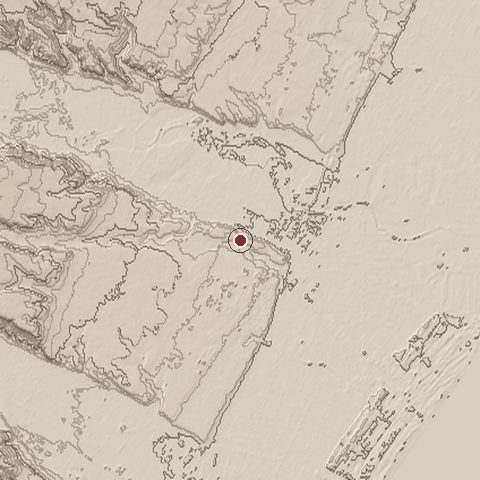
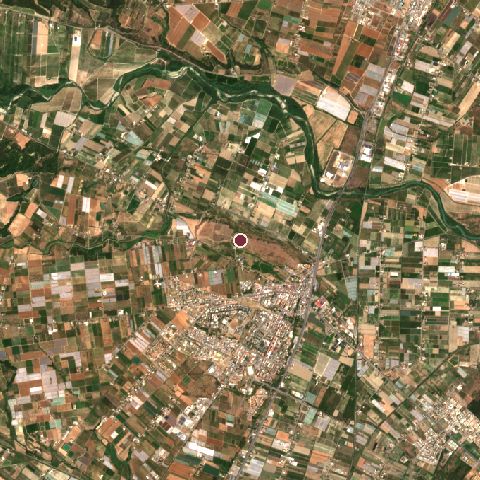
The recorded site stands at about 35 m; within 10.0 km the ground runs from -4 to 142 m, 146 m of relief, gently rolling country and today it is 32% grassland, 28% cropland, 23% tree cover.
Elevation from the Copernicus DEM GLO-30 (ESA, Airbus); land cover from ESA WorldCover 2021 (CC BY 4.0), within about 5 km of the recorded site. Computed, not recorded.Nearest engagements
- Battle of Sapriportis 210 BC, 52 km NE
- Battle of Taranto 1940, 52 km NE
- Battle of Tarentum 212 BC, 53 km NE
- Battle of Tarentum 209 BC, 53 km NE
- Siege of Taranto 1501, 53 km NE
In the same war
- After: Battle of Asculum 279 BC
- All 11 engagements of Pyrrhic War
Elsewhere in 280 BC
- Battle of Thurii Italy
- Death of Ptolemy Ceraunus Greece
Battle of Heraclea is one of 193 engagements of the 3rd century BC in the atlas and one of 1,038 in present-day Italy.
Sources
Identity, coordinates, dates and the war from Wikidata Q744611, released under CC0. Result, belligerents, commanders, strength and casualties from the infobox of the English Wikipedia article Battle of Heraclea, revision 1378171341, read 2026-11-14, licensed CC BY-SA 4.0; the article's text is not reproduced here. Present-day country and state from Natural Earth. Dates before 1582 follow the Julian calendar as recorded.