siege, major, ancient
Battle of Gergovia
Battle of Gergovia was a siege conducted in 52 BC at Gergovie, in what is now France. It was part of the Gallic War, which ran from 58 BC to 51 BC. The recorded result: Gallic victory.
See it on the globe Read the article

Where it sits in the Gallic War
Record
| Date | 52 BC (year precision) | |
|---|---|---|
| Place | Gergovie, France 45.708N, 3.125E | |
| Kind | Siege, ancient | |
| Strength | Total: 20,000–45,000 Romans, auxiliaries and allies; 15,000–30,000 Roman legionaries; 5,000-15,000 auxiliary (largely Aedui) | 30,000 Gauls, mostly Arverni |
| Casualties and losses | According to Julius Caesar: 46 centurions and 700 legionaries; Modern estimates: Several thousand Roman and Aedui killed | Unknown |
| Commanders |
| |

The ground today
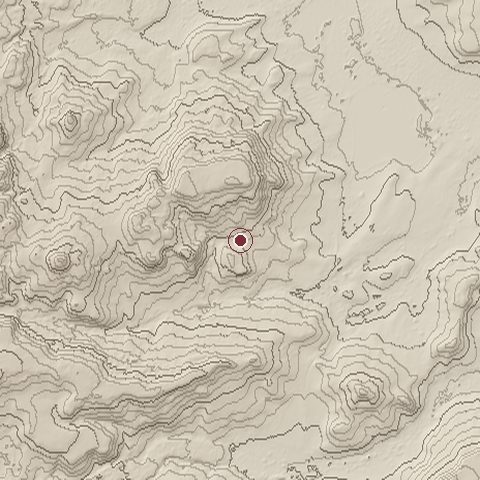
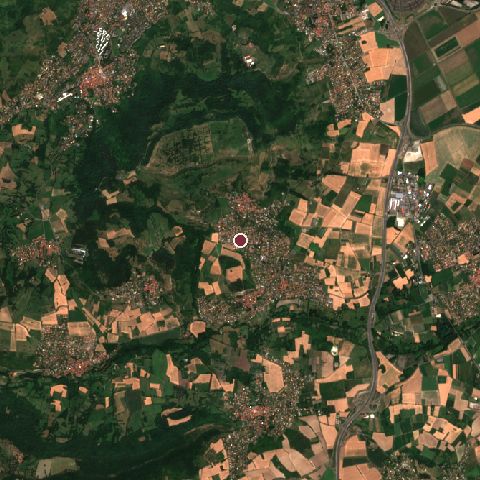
The recorded site stands at about 501 m; within 10.0 km the ground runs from 330 to 833 m, 503 m of relief, steep country and today it is 37% tree cover, 28% grassland, 23% cropland.
Elevation from the Copernicus DEM GLO-30 (ESA, Airbus); land cover from ESA WorldCover 2021 (CC BY 4.0), within about 5 km of the recorded site. Computed, not recorded.Nearest engagements
- Battle of Vingeanne 52 BC, same recorded site
- Siege of Clermont AD 761, 8.3 km N
- Siege of Augustonemetum AD 471, 8.9 km N
- Siege of Riom 1213, 21 km N
- Siege of Tournoël 1213, 21 km N
In the same war
- Before: Battle of the Semois River 53 BC
- After: Battle of Lutetia 52 BC
- All 26 engagements of Gallic War
Elsewhere in 52 BC
- Battle of Agendicum France
Battle of Gergovia is one of 166 engagements of the 1st century BC in the atlas and one of 1,495 in present-day France.
Sources
Identity, coordinates, dates and the war from Wikidata Q280868, released under CC0. Result, belligerents, commanders, strength and casualties from the infobox of the English Wikipedia article Battle of Gergovia, revision 1382551844, read 2026-11-14, licensed CC BY-SA 4.0; the article's text is not reproduced here. Present-day country and state from Natural Earth. Dates before 1582 follow the Julian calendar as recorded.