battle, major, medieval
Battle of Forbie
Battle of Forbie was a battle fought on 17 October 1244 at Hiribya, in what is now Israel; it lasted 1 day. It was part of Crusades, which ran from 1095 to 1291. The recorded result: Ayyubid victory. Recorded strength: About 11,000 against 5,000 cavalry; More than 6,000 infantry.
See it on the globe Read the article

Where it sits in Crusades
Record
| Date | 17 October 1244 to 18 October 1244 | |
|---|---|---|
| Place | Hiribya, Israel 31.606N, 34.546E | |
| Kind | Battle, medieval | |
| Strength | About 11,000 | 5,000 cavalry; More than 6,000 infantry |
| Casualties and losses | Unknown | About 7,500 |
| Commanders |
|
|
The ground today
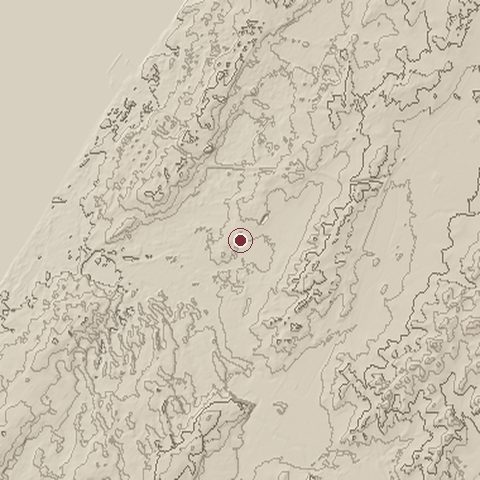
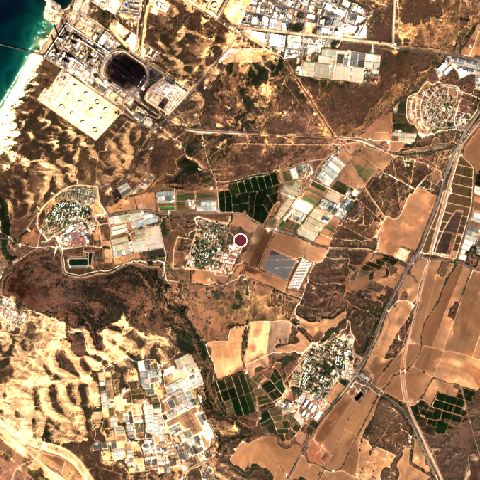
The recorded site stands at about 24 m; within 10.0 km the ground runs from -6 to 97 m, 104 m of relief, gently rolling country and today it is 28% tree cover, 20% cropland, 18% shrubland.
Elevation from the Copernicus DEM GLO-30 (ESA, Airbus); land cover from ESA WorldCover 2021 (CC BY 4.0), within about 5 km of the recorded site. Computed, not recorded.Nearest engagements
- Battle of Yad Mordechai 1948, 2.2 km SE
- Siege of Ascalon 1247, 6.2 km N
- Siege of Ascalon 1153, 6.8 km N
- Siege of Ascalon AD 67, 6.9 km N
- Beit Hanoun wedge 1948, 7.2 km S
Contested ground: this site was fought over 3 times between 1244 and 1948.
In the same war
- Before: Siege of Jerusalem 15 July 1244
- After: Battle of Jaffa 1256
- All 103 engagements of Crusades
Elsewhere in 1244
- Battle of the Gulf Iceland
- Battle of Embūte Latvia
- Siege of Biar Spain
- Siege of Denia Spain
Battle of Forbie is one of 629 engagements of the 13th century in the atlas and one of 179 in present-day Israel.
Sources
Identity, coordinates, dates and the war from Wikidata Q578201, released under CC0. Result, belligerents, commanders, strength and casualties from the infobox of the English Wikipedia article Battle of Forbie, revision 1376852522, read 2026-11-14, licensed CC BY-SA 4.0; the article's text is not reproduced here. Present-day country and state from Natural Earth. Dates before 1582 follow the Julian calendar as recorded.