battle, major, early modern
Battle of Almansa
Battle of Almansa was a battle fought on 25 April 1707 at Almansa, in what is now Spain. It was part of the War of the Spanish Succession, which ran from 1701 to 1714. The recorded result: Franco-Spanish victory. Recorded strength: 21,000 to 25,000 against 16,000 to 16,500.
See it on the globe Read the article

Where it sits in the War of the Spanish Succession
Record
| Date | 25 April 1707 | |
|---|---|---|
| Place | Almansa, Spain 38.874N, 1.094W | |
| Kind | Battle, early modern | |
| Strength | 21,000 to 25,000 | 16,000 to 16,500 |
| Casualties and losses | 1,500 to 2,000 killed or wounded | 7,000 killed, wounded or captured |
| Commanders |
| |


The ground today
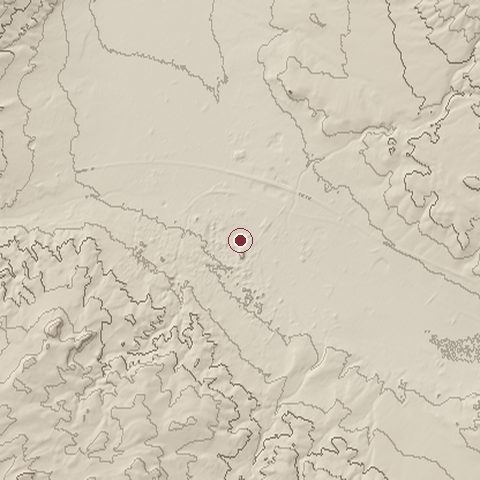
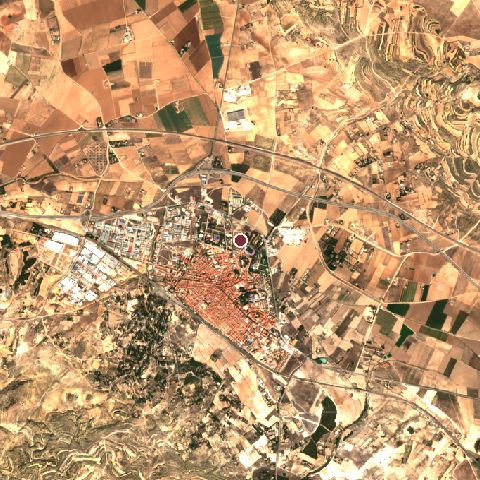
The recorded site stands at about 679 m; within 10.0 km the ground runs from 667 to 891 m, 224 m of relief, hilly country and today it is 44% cropland, 28% grassland, 14% built-up.
Elevation from the Copernicus DEM GLO-30 (ESA, Airbus); land cover from ESA WorldCover 2021 (CC BY 4.0), within about 5 km of the recorded site. Computed, not recorded.Nearest engagements
- Siege of Montesa 1277, 39 km E
- Siege of Biar 1244, 39 km SE
- Battle of Castalla 1813, 48 km SE
- Battle of Castalla 1812, 48 km SE
- Siege of Jumilla 1357, 48 km SW
In the same war
- Before: Battle of Biniatap 5 January 1707
- After: Action of 2 May 1707 2 May 1707
- All 101 engagements of War of the Spanish Succession
Elsewhere in 1707
- Siege of Xàtiva Spain
- Siege of Port Royal Canada
- Siege of Pensacola United States
- Battle of Yuraktau Russia
- Siege of Oran (1708) Algeria
Battle of Almansa is one of 2,126 engagements of the 18th century in the atlas and one of 1,204 in present-day Spain.
Sources
Identity, coordinates, dates and the war from Wikidata Q320394, released under CC0. Result, belligerents, commanders, strength and casualties from the infobox of the English Wikipedia article Battle of Almansa, revision 1375054526, read 2026-11-14, licensed CC BY-SA 4.0; the article's text is not reproduced here. Present-day country and state from Natural Earth. Dates before 1582 follow the Julian calendar as recorded.